
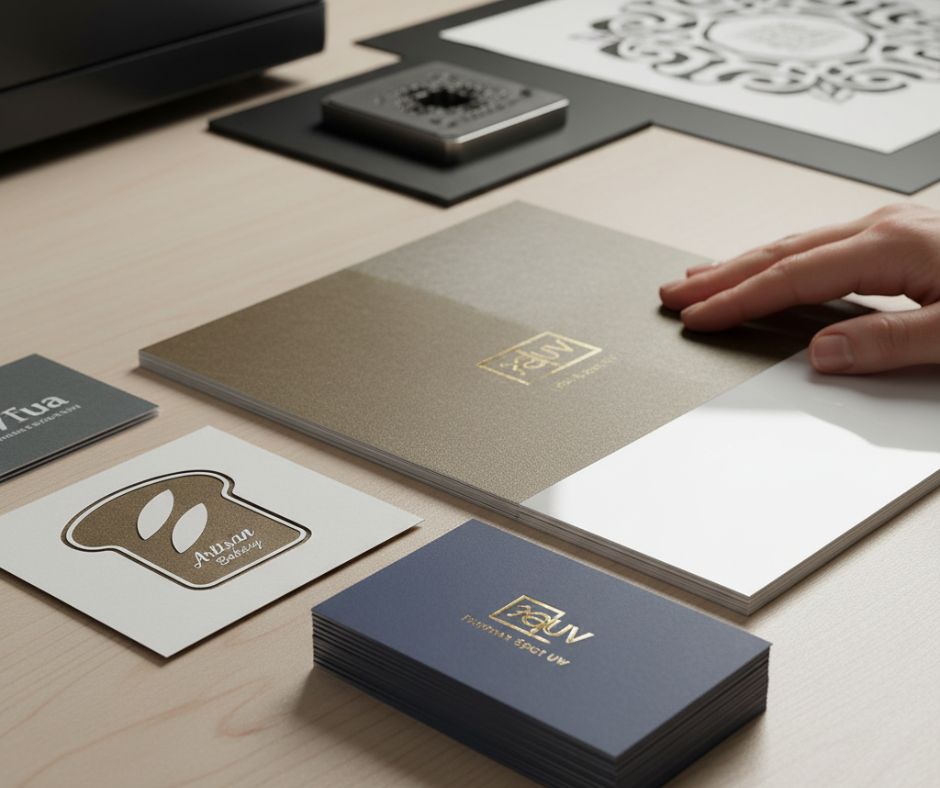
You have signed off on the design. The colours are perfect, and the typography is crisp. You have created a solid piece of marketing material. But is it memorable? In a world full of printed items, making someone stop and take a second look is a real challenge. Sometimes, you need a secret ingredient. You need something that takes your design from just being seen to actually being felt. This is where special print finishes come into play.
These techniques are not just about making things look nice. They are about creating a tactile experience. They add depth, shape, and texture that a digital screen can never replicate. Choosing the right finish can elevate your brand. It communicates a message of quality and attention to detail before a single word is even read. Let us explore a few powerful options that can make your print truly stand out from the crowd.
Shaping Perceptions with Die-Cutting
Most printed items live their lives as simple squares or rectangles. Die-cutting is the art of breaking free from that box. In simple terms, it works like a cookie cutter for paper and card. We create a custom metal blade, known as a die, in any shape you can imagine. This die is then used to press and cut your material with incredible precision. The possibilities are almost endless. This technique allows you to create items that are fundamentally more interesting.
Imagine a business card for a photographer shaped like a camera. Think of a property brochure with a keyhole shape cut out of the cover, offering a glimpse of the home inside. Die-cutting transforms a flat piece of paper into an engaging object. It tells your customers that you think differently. It shows you do not cut corners, unless, of course, the design literally calls for it. This physical difference makes your print more interactive. People are far more likely to hold onto something with a captivating and clever shape.
The Spotlight Effect of Spot UV
Have you ever received a business card that had a logo that was shiny, while the rest of the card was matt? That is the magic of Spot UV. This process involves applying a very high-gloss varnish to specific areas of a design. The “UV” part simply refers to the ultraviolet light we use to cure and harden the varnish almost instantly. This creates a stunning contrast between the slick, shiny sections and the texture of the paper beneath. It is a powerful tool for guiding the eye.
Think of Spot UV as a spotlight for the most important parts of your design. You can use it to make your logo pop off the page. You could create a subtle pattern of shiny water droplets on a brochure for a spa. You could even highlight a specific product on a catalogue cover. The effect is not just visual. It is also tactile. People instinctively want to run their fingers over the smooth, slightly raised surface. This small act creates a physical connection. It makes your brand more memorable through the simple power of touch.
Lamination: The Protective Powerhouse
Lamination is often seen as a purely practical choice. It involves bonding a very thin plastic film to the surface of your print. While it does offer fantastic protection, it is also a powerful tool for influencing mood and perception. It adds durability against spills and scuffs. This makes it perfect for items that get handled a lot, like restaurant menus or instruction manuals. But the type of laminate you choose has a huge impact on the final feel.
There are three main players in the lamination game. Gloss lamination is bright and shiny. It makes colours appear richer and more vibrant. It is great for grabbing attention on items like book covers or promotional flyers. Matt lamination, by contrast, offers a sophisticated, modern finish. It is soft to the touch and reduces glare, conveying a sense of understated quality. For true luxury, you can opt for soft-touch lamination. This has a unique velvety, almost rubbery texture. It feels expensive and invites people to hold it. It is the suede jacket of the print world. Choosing the right one is a final, crucial step in defining your item’s personality.